Mitra Lavasani, PhD
- Research Scientist
- Director, Translational Cell Therapy Lab
- Shirley Ryan AbilityLab
- Associate Professor Department of Physical Medicine and Rehabilitation, Northwestern University
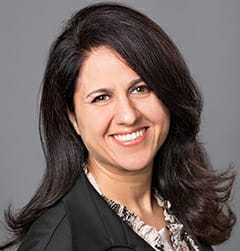
Dr. Lavasani is the Director of the Translational Cell Therapy Lab at the Shirley Ryan AbilityLab and an Associate Professor in the Department of Physical Medicine and Rehabilitation at Northwestern University Feinberg School of Medicine. She earned a B.Sc. in Molecular Biology and Systems Physiology from San Jose State University, and both an M.S. and Ph.D. in Bioengineering from the University of Pittsburgh. Since joining Shirley Ryan AbilityLab and Northwestern University in the spring of 2015, her research has focused on the mechanisms of aging, longevity, and neuromusculoskeletal rejuvenation. With over 25 years dedicated to regenerative medicine, Dr. Lavasani is internationally recognized for her pioneering work on the therapeutic potential of adult stem cells and their secreted rejuvenating factors to improve neuromuscular function in preclinical models of aging. Her research has uncovered key mechanisms that activate regenerative pathways, restore tissue health, and enhance motor recovery in neuromusculoskeletal injury and age-related diseases. A respected expert in stem cell biology and longevity science, Dr. Lavasani has received numerous prestigious honors, including the New Investigator Recognition Award from the Orthopedic Research Society and the Sarah Baskin Outstanding Research Award. Her groundbreaking anti-aging discoveries are both patented and published in leading, peer-reviewed international journals. As a leader in field of geroscience, Dr. Lavasani’s mission is to translate her innovative scientific discoveries into clinical therapies that extend health span and improve quality of life. Her lab fosters a collaborative, interdisciplinary environment focused on scientific discovery and clinical translation. Currently, her research explores the use of selected anti-aging protein factor therapies to prevent or reverse functional decline associated with aging. Her work is supported by the National Institute on Aging (NIA), as well as internal and external philanthropic funding.
